

Hand-knotted carpets, painted Nabeul ceramics, red felt chéchias, silver filigree, olive-wood bowls, jasmine perfume, harissa and golden dates — Tunisia's souks are a treasure hunt, and this is your guide to what to buy and how.
Tunisia is a superb place to shop for crafts and souvenirs, with centuries-old traditions of carpets, ceramics, leather, metalwork, silver jewellery and perfumes, plus delicious edible gifts like harissa, olive oil, dates and sweets. Most shopping happens in the souks of the old medinas, where gentle bargaining is part of the fun. This guide covers what to buy, where to find it, how to haggle, and how to bring it home.
Why shop in Tunisia?
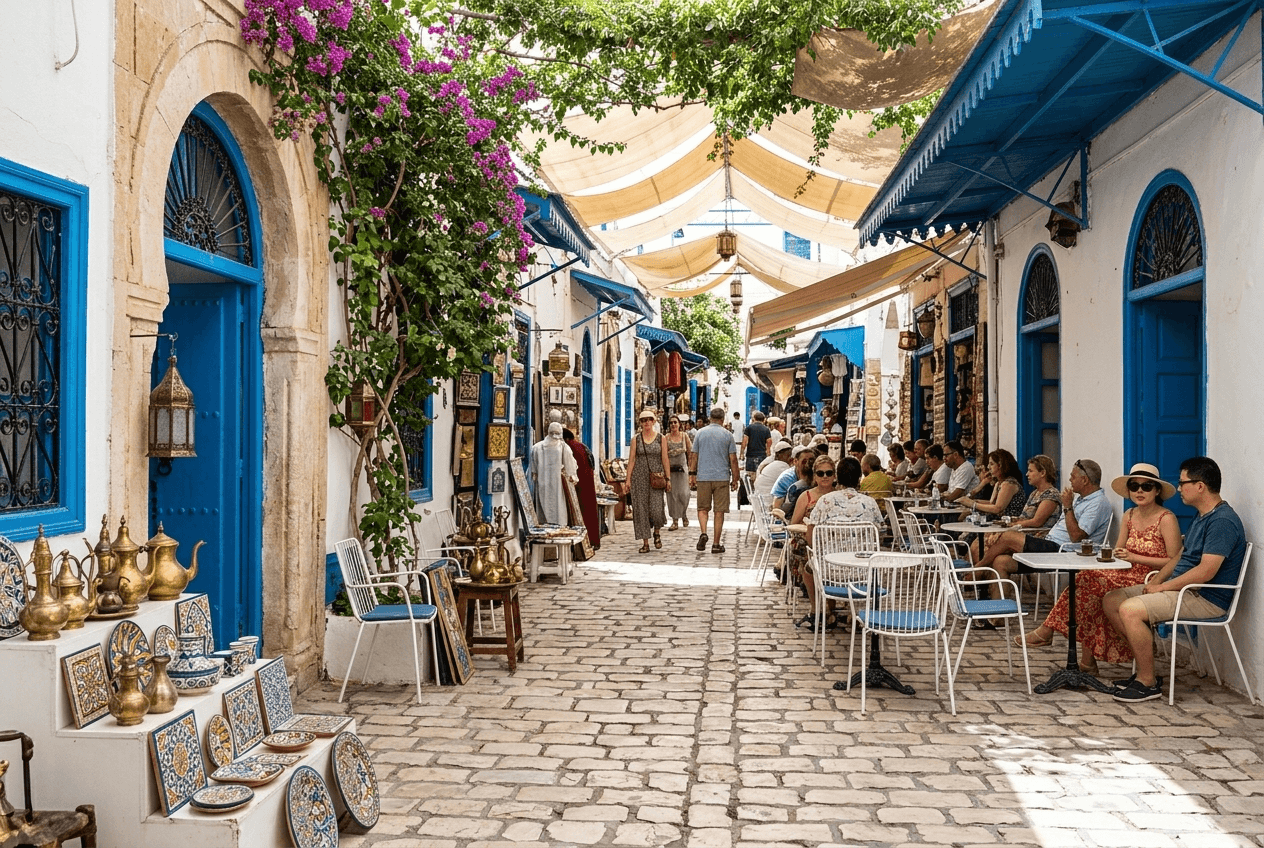
Tunisia has a living artisan culture, and its souks — the covered market streets of towns like Tunis, Sousse and Kairouan — are among the most atmospheric and best-value in the Mediterranean. Prices are low, quality can be excellent, and many crafts are still made by hand in small workshops you can watch at work. Shopping here is also a cultural experience: a glass of mint tea, a bit of friendly haggling and a chat are all part of the transaction. Whether you want a statement carpet or a pocketful of spices, you'll find something memorable.
Crafts and handmade souvenirs to buy
- Carpets and rugs. Tunisia's signature buy. Kairouan is the carpet capital, famous for knotted zerbia rugs; you'll also find flat-woven mergoum and Berber kilim designs. Genuine hand-knotted carpets carry an official quality stamp.
- Ceramics and pottery. Brightly painted plates, bowls and tiles — the town of Nabeul on Cap Bon is the ceramics centre, while Sejnane's hand-shaped terracotta is recognised by UNESCO and Guellala on Djerba is known for its pottery.
- The chéchia. The traditional red felt hat, hand-made in the dedicated chéchia souk of Tunis — a small, authentic and very Tunisian souvenir.
- Leather. Babouche slippers, bags, poufs and belts, soft and inexpensive.
- Olive wood. Beautiful grained bowls, boards, spoons and kitchenware, carved from Tunisia's olive trees.
- Copper and brass. Engraved trays, lanterns, teapots and pots, a speciality of the Tunis metalwork souks.
- Silver and jewellery. Filigree silver, Berber jewellery and the khomsa (hand of Fatima) charm against the evil eye, in silver or gold.
- Silk and textiles. Mahdia is famous for silk and gold-thread weaving; look also for fouta cotton towels and embroidered fabrics.
Perfumes, spices and edible souvenirs
Some of the best souvenirs are things you can smell, taste and use up:
- Perfumes and essential oils. Tunisia is a major producer of jasmine, orange-blossom (neroli) and geranium oils; perfume shops will blend scents for you by the drop.
- Harissa. The fiery chilli paste that defines Tunisian cuisine — buy it in tubes or jars.
- Olive oil. Tunisia is one of the world's great olive-oil producers; excellent bottles cost a fraction of European prices.
- Dates. The prized deglet nour ("finger of light") dates from the southern oases, sold loose or on the branch.
- Spices and sweets. Saffron, ras el hanout and tabil blends; sticky makroudh (date pastries), baklava and almond sweets.
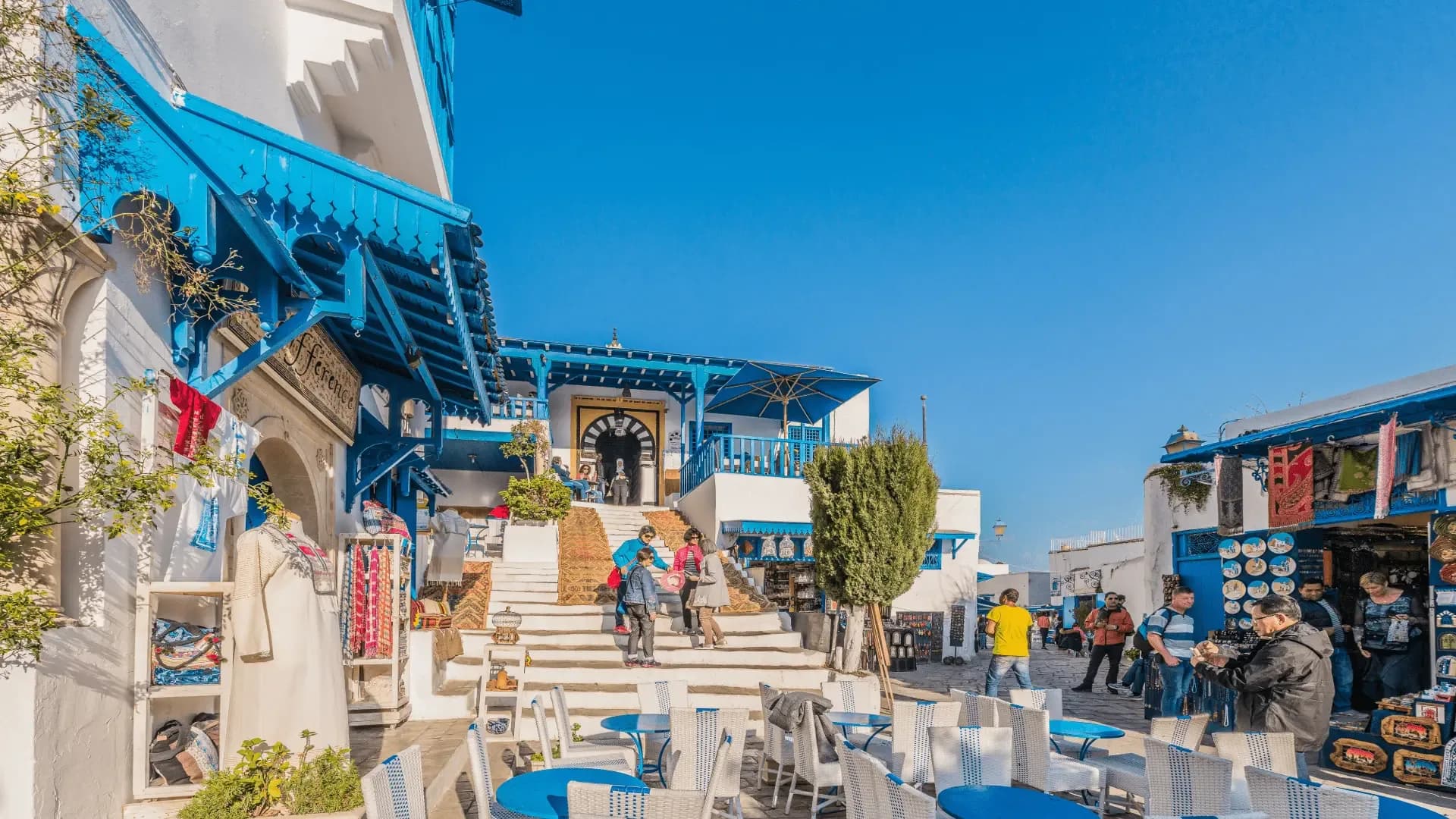
- Curiosities. Hand-made birdcages (a Sidi Bou Said speciality), desert "sand roses" (gypsum crystals), and natural sponges from the coast.
The heritage behind the crafts
Tunisia's crafts carry centuries of history. The carpets of Kairouan grew out of the holy city's prestige, their knotted patterns passed down through generations of women weavers. Nabeul and Guellala pottery continues a ceramic tradition that reaches back to Punic and Roman times, while the hand-shaped terracotta of Sejnane — made by Berber women using age-old techniques — is now inscribed on UNESCO's list of intangible cultural heritage. The chéchia felt-hat trade once made Tunis a Mediterranean capital of the craft, and silver filigree, copper engraving and silk weaving all trace back to Andalusian, Ottoman and Berber influences. Buying these pieces is a way of supporting living artisans and taking home a genuine fragment of that story — not a mass-produced trinket.
Where to shop
The medina souks are the heart of the action. The Tunis medina is the biggest and most varied, with dedicated souks for perfume, chéchias, copper, gold and fabric. Kairouan is the place for carpets, Nabeul for ceramics, Mahdia for silk, and the resort medinas of Sousse and Hammamet offer a bit of everything. For fixed, fair prices and guaranteed authenticity — handy if you dislike haggling — look for the government-run ONAT / SOCOPA craft shops, which also give you a benchmark for what things should cost before you bargain in the souk.
How to bargain
In the souks, bargaining is expected and should be good-humoured, not aggressive. A few tips:
- Browse first and get a feel for prices (the ONAT shops help here).
- Let the seller name a price, then counter at roughly a third to a half, and settle somewhere in between.
- Stay friendly and smiling — it's a social ritual, often over mint tea, not a battle.
- Be willing to walk away; a better price often follows.
- Only start haggling if you're genuinely interested, and once you agree a price, honour it.
- Carry small cash in Tunisian dinars — cash is king in the souks, and the dinar can't be taken out of the country.
Practical tips: authenticity, prices and bringing it home
- Quality varies — inspect carpets, ceramics and silver closely; genuine hand-knotted carpets carry an official ONAT quality label/stamp, useful proof of authenticity.
- Prices are very reasonable compared with Europe; factor souvenirs into your trip budget and keep some cash aside.
- Packing — ceramics and olive wood need padding; carpets roll up and often travel as a separate piece of luggage (sellers can arrange shipping for large ones).
- At the airport, allow a little extra time; keep receipts for valuable items. Spread a few treasures through your cases to cushion the fragile ones (see our packing list).
- Timing — souks are liveliest in the morning and early evening; many close or slow down in the heat of midday and more so on Fridays (see the best time to visit).
Atlantis Voyages can build the best souks and craft workshops into a tailor-made Tunisia itinerary — from Kairouan's carpets to Nabeul's ceramics and the Tunis medina. Browse our Tunisia tours or start planning your trip.
Frequently asked questions
What should I buy in Tunisia?
The most popular buys are hand-knotted carpets, painted Nabeul ceramics, the red felt chéchia, leather goods, olive-wood kitchenware, silver jewellery, perfumes and essential oils, and edible gifts like harissa, olive oil and dates.
What are the best souvenirs from Tunisia?
Carpets from Kairouan, ceramics from Nabeul, silk from Mahdia, a chéchia hat, olive-wood items, a khomsa (hand of Fatima) charm, jasmine or orange-blossom perfume, and harissa, olive oil and deglet nour dates.
Where is the best place to shop in Tunisia?
The medina souks — the Tunis medina is the biggest and most varied, Kairouan is best for carpets, Nabeul for ceramics, Mahdia for silk, and the Sousse and Hammamet medinas offer a bit of everything.
Do you have to bargain in Tunisian souks?
Yes, bargaining is expected in the souks and part of the experience. Browse first, let the seller name a price, counter lower, stay friendly, and be ready to walk away. Fixed-price ONAT craft shops exist if you prefer not to haggle.
How do you bargain in Tunisia?
Keep it good-humoured. Let the seller quote first, counter at about a third to a half, and settle in between. Smiling, chatting over mint tea and being willing to walk away all help — only haggle if you genuinely intend to buy.
Are Tunisian carpets worth buying?
Yes — Tunisia, and Kairouan especially, is famous for hand-knotted carpets of good quality and value. Genuine ones carry an official ONAT quality stamp, and sellers can arrange shipping for larger pieces.
What is a chéchia?
The traditional Tunisian red felt hat, hand-made in the dedicated chéchia souk of Tunis. Small, authentic and inexpensive, it makes a characterful souvenir.
What food souvenirs can I bring from Tunisia?
Harissa (chilli paste), excellent olive oil, deglet nour dates, spice blends like tabil and ras el hanout, and sweets such as makroudh and baklava — all easy to pack and great value.
Can I buy perfume in Tunisia?
Yes — Tunisia produces jasmine, orange-blossom (neroli) and geranium oils, and perfume shops in the souks will blend custom scents for you by the drop at low prices.
Is shopping in Tunisia cheap?
Generally yes — crafts, leather, ceramics and food souvenirs are excellent value compared with Europe, especially after a little friendly bargaining in the souks.
What is the khomsa?
The khomsa, or hand of Fatima, is a hand-shaped charm believed to protect against the evil eye. Sold everywhere in silver or gold, it's one of Tunisia's most popular souvenirs and symbols.
Where can I buy Tunisian ceramics?
Nabeul, on the Cap Bon peninsula, is the ceramics capital, with painted plates, bowls and tiles. You'll also find pottery in Guellala on Djerba and across the medina souks.
Can I pay by card in the souks?
Cash in Tunisian dinars is best in the souks; many small stalls don't take cards. Larger shops and ONAT stores may accept cards. Note the dinar cannot be taken out of the country, so spend or change it before you leave.
How do I get a carpet or ceramics home safely?
Carpets roll up and can travel as extra luggage, with shipping available for large ones. Wrap ceramics and olive wood in clothes for padding, and spread fragile items across your cases.
When are the souks open?
Souks are liveliest in the morning and early evening and quieter in the midday heat; some shops close or slow on Fridays. Shopping early also means cooler temperatures and more choice.
Are there fixed-price shops in Tunisia?
Yes — the government-run ONAT/SOCOPA craft shops sell authentic crafts at fixed, fair prices, which also helps you gauge what to pay before bargaining in the souks.
Is Sejnane pottery special?
Yes — Sejnane's hand-shaped, wood-fired terracotta, made by Berber women with ancient techniques and decorated with earthy geometric motifs, is listed by UNESCO as intangible cultural heritage and makes a distinctive, meaningful souvenir.
What souvenirs should I avoid or watch out for?
Be wary of "antiques" (genuine antiquities cannot legally be exported), overpriced "pure silver" or "silk" that isn't, and mass-produced imports passed off as local. Buy hand-made pieces, check quality closely, and use ONAT shops as a benchmark.
Can I export antiques or old coins from Tunisia?
No — exporting genuine antiquities, archaeological items or old coins is illegal. Stick to contemporary crafts and clearly modern reproductions, and keep receipts for valuable purchases.
Are souvenirs cheaper in the souk or in resort shops?
Souks are usually cheaper if you bargain, while resort and hotel shops charge more for convenience. ONAT craft shops sit in between with fixed, fair prices and guaranteed authenticity.
Bring a piece of Tunisia home. Let Atlantis Voyages plan a tailor-made trip through Tunisia's finest souks and workshops, or browse our guided Tunisia tours.