
Jasmine-scented, ringed by sandy beaches and backed by a little whitewashed medina, Hammamet is Tunisia's original seaside resort — and still its most relaxed place to combine sun, sea and a little history.
Hammamet, on the Cap Bon peninsula about an hour from Tunis, is Tunisia's best-known beach resort — famous for long sandy beaches, a pretty 15th-century kasbah and medina, and the modern marina resort of Yasmine Hammamet with its aquaparks and theme park. Add the gardens of Dar Sebastian, Roman ruins and easy day trips, and you have Tunisia's most popular spot for a relaxed, family-friendly holiday. This guide covers what to see and how to visit.
What is Hammamet?
Hammamet is a coastal town on the southern shore of the Cap Bon peninsula, around 65 km southeast of Tunis. Long known as the "town of jasmine," it was Tunisia's first international resort — discovered by European artists and writers in the 1920s — and it remains the country's archetypal beach destination. The appeal is simple: kilometres of soft sandy beach, warm Mediterranean water, a compact and charming old town, and a big choice of hotels, from grand all-inclusive resorts to small guesthouses.
It's a place to slow down, but with enough history and day trips within reach that you never run out of things to do.
The medina and the kasbah
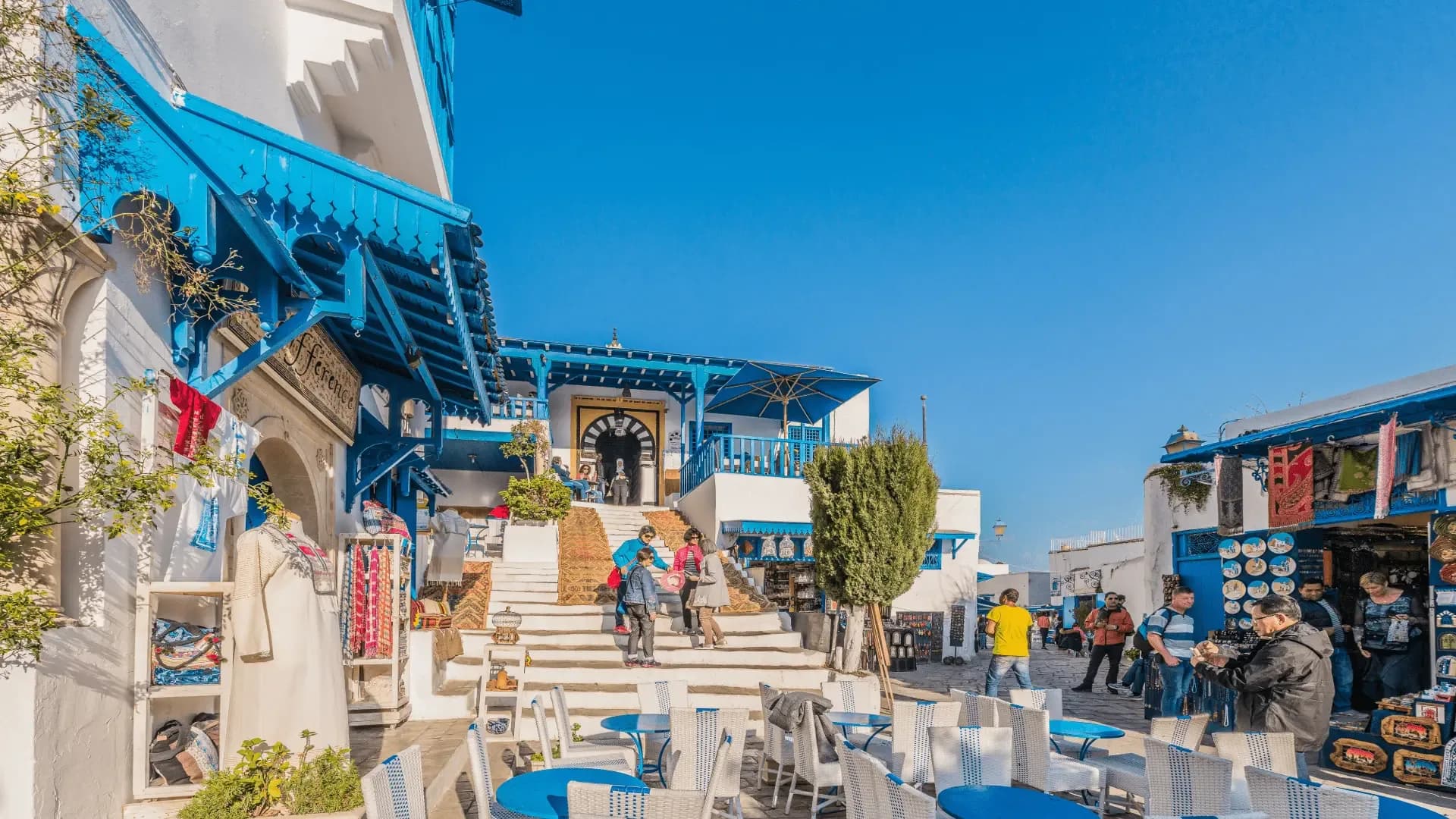
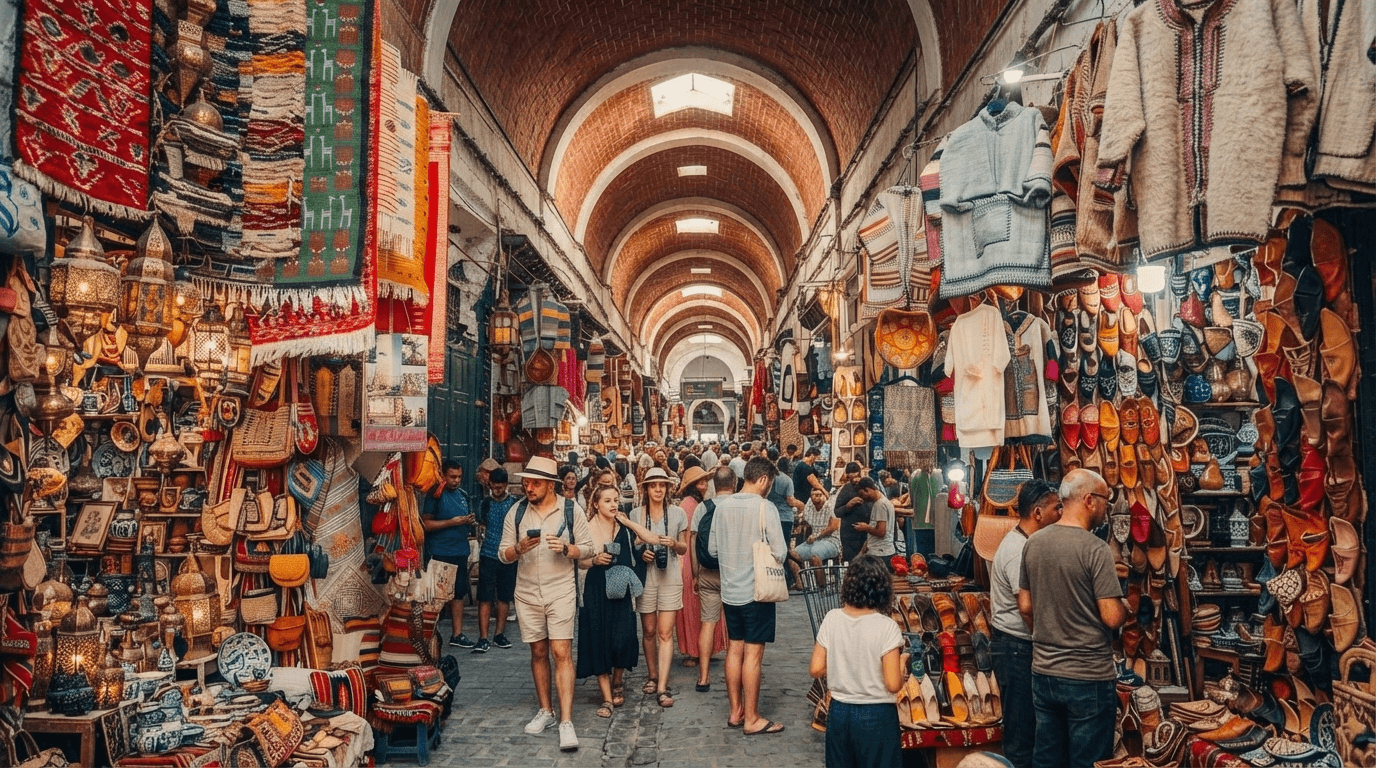
At the heart of old Hammamet is a small, walled medina right on the sea — one of the prettiest in Tunisia. Its lanes of whitewashed, blue-doored houses are easy and relaxed to wander, full of little shops selling ceramics, leather, spices and jasmine. Guarding the corner where the walls meet the beach is the kasbah, a 15th-century fortress; climb its ramparts for a classic view over the medina rooftops, the old cemetery and the sweep of the bay. Unlike the vast medinas of Tunis or Sousse, Hammamet's is bite-sized and unintimidating — perfect for a first taste of a Tunisian old town.
Yasmine Hammamet: the modern resort
A few kilometres south lies Yasmine Hammamet, a purpose-built resort zone from the 2000s that is the modern face of the destination. Here you'll find:
- A large marina lined with cafés, restaurants and bars.
- Medina Mediterranea, a reconstructed "old town" of shops and eateries.
- Carthage Land, a family theme park, plus aquaparks such as Aqualand and Flipper.
- A long strip of big resort hotels directly on the beach.
Yasmine Hammamet is where most package and family holidays are based — polished, easy and full of things for children to do. The historic town of Hammamet proper, a short taxi ride north, offers the more authentic, atmospheric side.
Hammamet's beaches
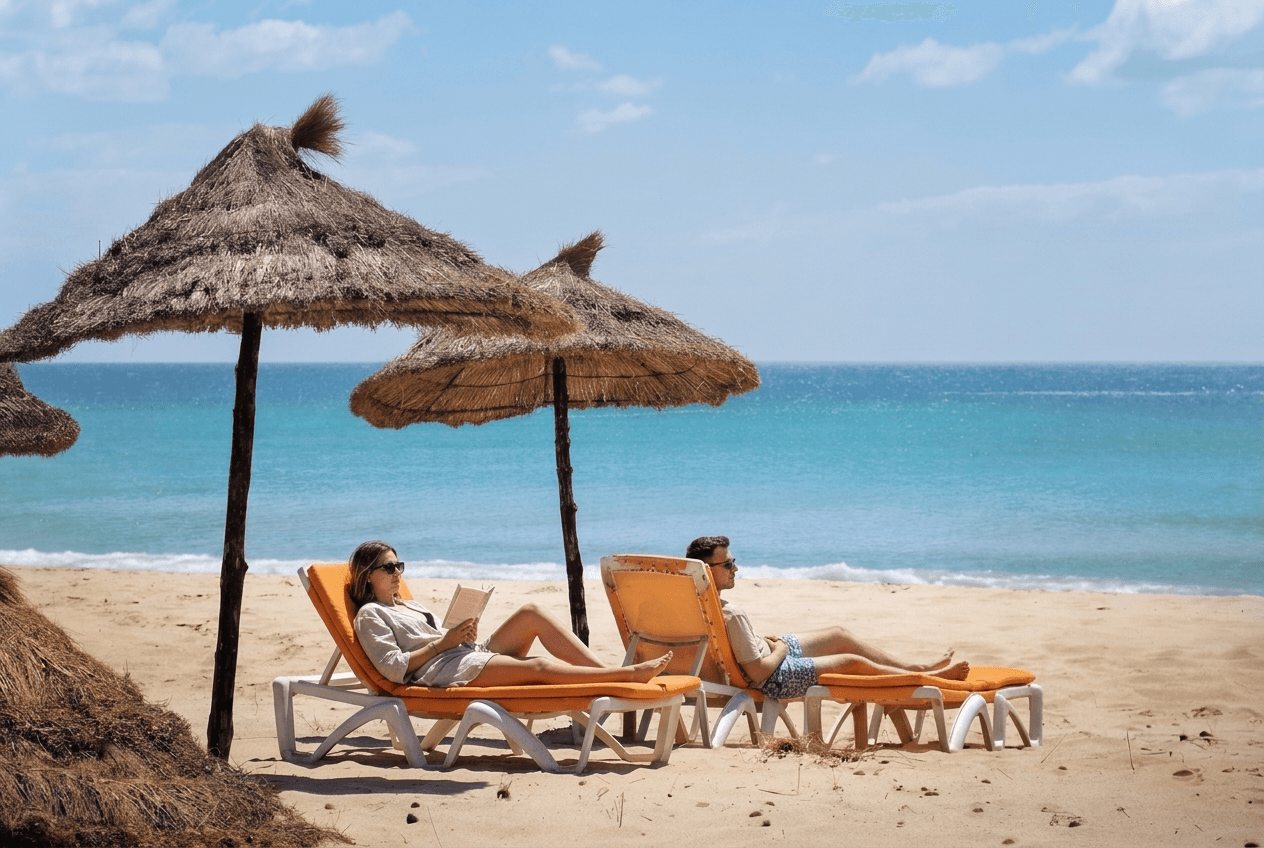
Beaches are the main event. Hammamet's long, gently shelving sandy beaches run for kilometres along the bay, with warm, shallow water that is ideal for families and relaxed swimming. The resort beaches are equipped with loungers and water sports — jet-skis, pedalos, parasailing — while quieter stretches can still be found toward the edges of town. The sea here is at its best from roughly June to October; see our best time to visit Tunisia guide for the full seasonal picture.
Dar Sebastian and the arts
One of Hammamet's loveliest corners is the Dar Sebastian, the white villa and gardens built in the 1920s by the Romanian millionaire George Sebastian — once called one of the most beautiful houses in the Mediterranean. Today it is the town's International Cultural Centre, with serene gardens running down toward the sea. Each summer its open-air theatre hosts the Hammamet International Festival of music, theatre and dance — the artistic legacy of the creative set that first put Hammamet on the map.
Roman Pupput and the history of Hammamet
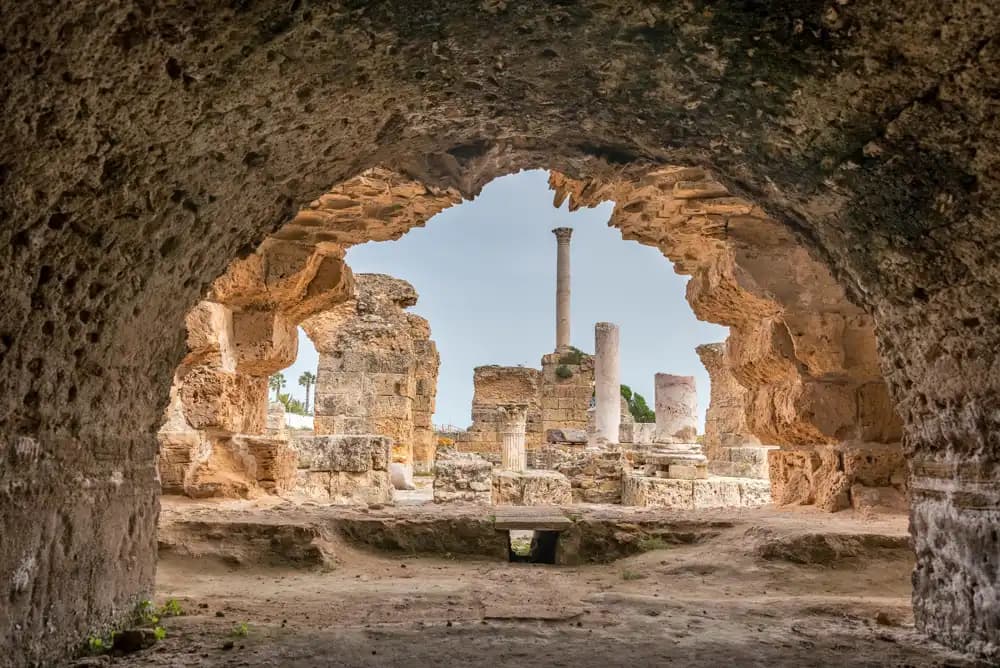
Hammamet's story begins in Roman times at Pupput, a settlement that grew into a prosperous colony by the 2nd century AD; its ruins and mosaics lie between modern Hammamet and Yasmine Hammamet. The town's name itself comes from the Arabic for "baths," a nod to the area's springs. For centuries Hammamet was a quiet fishing and farming town behind its medina walls, until the 1920s, when George Sebastian and the European artists who followed him turned it into a fashionable retreat — the seed of Tunisia's entire modern tourism industry. To put its ancient layer in context, see our wider guide to Tunisia's UNESCO and ancient sites.
Food and nightlife
Hammamet eats well, especially by the sea. Fresh seafood — grilled fish, calamari, prawns — is the local highlight, served at marina restaurants in Yasmine Hammamet and simple places in the old town alike, alongside Tunisian classics like brik, couscous and salade mechouia. Cafés spill onto terraces for mint tea and strong coffee, and in summer the Yasmine marina comes alive after dark with bars, music and families strolling late. For a sweet finish, try Tunisian pastries or an ice cream on the seafront — and don't be surprised to be offered a sprig of the town's famous jasmine.
Day trips from Hammamet
Hammamet's central position makes it a superb base:
- Nabeul, next door, is Cap Bon's capital of pottery and ceramics, with a big Friday market.
- Cap Bon beyond leads to the Punic town of Kerkouane, the beaches of Kelibia and the sea caves of El Haouaria.
- Tunis, Carthage and Sidi Bou Saïd are an easy day trip north.
- The amphitheatre of El Jem and the holy city of Kairouan are both within reach for a day of history.
It all makes Hammamet one of the easiest places to combine a beach holiday with Tunisia's culture — a big reason it works so well for families travelling with children.
Visiting Hammamet
- Getting there: about 1 hour from Tunis–Carthage Airport and even closer to Enfidha–Hammamet Airport (around 40 minutes), which serves many package flights. Easy by car, taxi or transfer.
- When to go: the beach season runs roughly May to October, with July and August the hottest and busiest; spring and autumn are lovely and quieter.
- How long: a week for a classic beach holiday with a day trip or two; even a couple of nights works as a relaxing add-on to a wider tour.
- Getting around: taxis are cheap and plentiful between the old town and Yasmine Hammamet; the medina is explored on foot.
- Good to know: dress modestly in the medina and town; normal beachwear is fine on the beach and in resorts.
Atlantis Voyages can build a tailor-made trip based in Hammamet, blending beach time with day trips to Tunis, Cap Bon and the great Roman sites — browse our Tunisia tours or start planning your trip.
Frequently asked questions
What is Hammamet famous for?
For being Tunisia's original and best-known beach resort — long sandy beaches, a pretty seaside medina and kasbah, the modern Yasmine Hammamet resort zone, and its jasmine and gardens.
Where is Hammamet?
On the southern side of the Cap Bon peninsula in northeastern Tunisia, about 65 km southeast of Tunis.
What is the difference between Hammamet and Yasmine Hammamet?
Hammamet is the historic town with the medina and kasbah; Yasmine Hammamet is a purpose-built resort zone a few kilometres south, with the marina, big hotels, aquaparks and a theme park.
Is Hammamet good for families?
Very — gentle sandy beaches, warm shallow sea, family resorts, aquaparks and a theme park make it one of Tunisia's top family destinations.
What are the beaches like in Hammamet?
Long, soft and sandy, with warm, shallow, gently shelving water — ideal for swimming and families, and lined with resort facilities and water sports.
How do you get to Hammamet?
About an hour from Tunis–Carthage Airport, or roughly 40 minutes from Enfidha–Hammamet Airport, which handles many holiday flights. Taxis and transfers are easy.
What is there to do in Hammamet besides the beach?
Explore the medina and kasbah, visit Dar Sebastian and its gardens, enjoy the Yasmine Hammamet marina and parks, see Roman Pupput, and take day trips to Tunis, Carthage, Nabeul and Cap Bon.
What is Dar Sebastian?
A beautiful 1920s villa with seaside gardens, now Hammamet's International Cultural Centre, whose open-air theatre hosts the summer Hammamet International Festival.
Is Hammamet worth visiting?
Yes — it is the easiest place in Tunisia to combine a relaxed beach holiday with a charming old town and excellent day trips to history and the coast.
When is the best time to visit Hammamet?
May to October for the beach, with September offering warm sea and thinner crowds; spring and autumn are pleasant and quieter overall.
How far is Hammamet from Tunis?
About 65 km, or roughly an hour by road, making Tunis, Carthage and Sidi Bou Saïd an easy day trip.
Is Hammamet a party resort or a quiet one?
Both — Yasmine Hammamet has lively bars and nightlife, while the old town and quieter hotels offer a relaxed, family-friendly atmosphere.
Can you visit Roman ruins in Hammamet?
Yes — the Roman site of Pupput, with ruins and mosaics, lies between Hammamet and Yasmine Hammamet, and El Jem and Carthage are within day-trip reach.
Is Hammamet good for a first trip to Tunisia?
Excellent — it is comfortable, well set up for visitors, close to the airports and Tunis, and combines easy beach time with a gentle introduction to Tunisian culture.
Is Hammamet safe for tourists?
Yes — it is a long-established, relaxed resort town used to international visitors. Take normal precautions against petty theft in busy areas and you'll find it welcoming and easy.
What food is Hammamet known for?
Fresh Mediterranean seafood above all — grilled fish, calamari and prawns — alongside Tunisian staples like brik, couscous and salade mechouia.
Does Hammamet have nightlife?
Yes, mainly around the Yasmine Hammamet marina, with bars, lounges and summer entertainment; the old town and many hotels stay more relaxed.
Are there aquaparks in Hammamet?
Yes — Yasmine Hammamet has water parks such as Aqualand and Flipper, plus the Carthage Land theme park, all popular with families.
Can you do a desert trip from Hammamet?
Not in a day — the Sahara is far south. But Hammamet pairs well with a multi-day tour that adds the desert after the coast and the Roman sites.
Which is better for a beach holiday, Hammamet or Djerba?
Both are excellent. Hammamet is closer to Tunis and the northern sights and ideal for combining beach and culture; Djerba is a more laid-back southern island. See our Djerba guide.
How many days should you spend in Hammamet?
Two to three nights is enough to enjoy the beach and the old town; a week suits a full beach holiday with a couple of day trips to Tunis, Cap Bon or the Roman sites.
Is Hammamet expensive?
No — like the rest of Tunisia it is good value, with affordable all-inclusive resorts, cheap taxis and inexpensive eating out.
Relax on Tunisia's favourite coast. Plan a tailor-made Tunisia trip with Atlantis Voyages, or explore our guided Tunisia tours.